2023-04-17
Marta Serowy
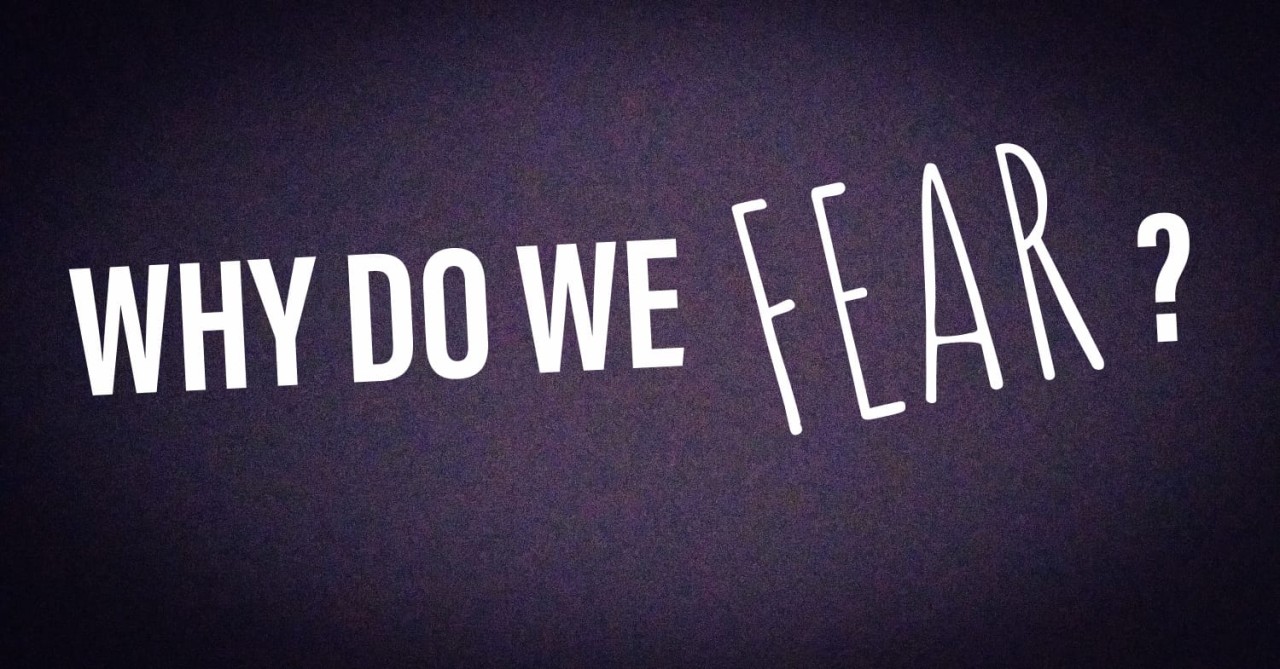
Come capire la PAURA che ci circonda nella vita quotidiana? (How to understand FEAR surrounding us in a daily life?)

Come capire la PAURA che ci circonda nella vita quotidiana? (How to understand FEAR surrounding us in a daily life?)

Come capire la PAURA che ci circonda nella vita quotidiana? (How to understand FEAR surrounding us in a daily life?)

Bisogna sempre chiamare le cose con il loro nome. La paura del nome non fa che aumentare la paura della cosa stessa.  J.K. Rowling (Albus Silente), Harry Potter e la pietra filosofale

(english below)

La paura è una sensazione che ultimamente tutti provano ogni giorno. Si sente che dietro ogni angolo c’è sempre un pericolo. I vicini discutono di chi conosce più informazioni terribili su virus, morti, incidenti stardali o quelli d’aerei. Tutte le telefonate di familiari o amici partono da notizie recenti su coronavirus e altre minacce che sono molto comuni negli ultimi tempi. Perché è così? Perché parliamo sempre e solo di cose pericolose e spaventose?


Provocare paura è nella nostra natura?

Uno degli argomenti più coinvolgenti di tutti i tempi può essere logicamente esaminato. Gli esseri umani, per natura, in qualche modo bramano di sentire informazioni spaventose e drastiche. Possiamo anche notare questa tendenza in un passato più lontano. Nel Rinascimento, anche Machiavelli ha notato questa osservazione spaventosa. Nel capitolo VII del suo capolavoro Il Principe descrive come la gente si accontentava di guardare la crudeltà della morte (Machiavelli, 25-26). Egli giunge alla conclusione che la natura umana può essere saziata da emozioni spaventose e negative.

Dall’altra parte, cerchiamo anche fatti pericolosi perché istintivamente abbiamo bisogno di proteggerci da essi. Ce ne accorgiamo oggi quando, per esempio, il virus di Wuhan si diffondeva in Europa e le notizie venivano controllate ogni giorno o anche più spesso, solo per capire se si avvicina a noi o se siamo ancora in un posto sicuro.

In entrambi i casi, quanto più drastiche e spaventose sono le informazioni, tanto più siamo propensi a conoscerle. Questa affermazione è davvero importante quando si tratta di quali informazioni devono essere diffuse per ottenere una maggiore attenzione pubblica ed è per questo che la maggior parte dei fatti che ci vengono forniti, sono accuratamente selezionati per quelli che sono più attraenti.


Cosa dobbiamo temere di più?

Il fatto è che molti fattori di rischio che in realtà uccidono la maggior parte delle persone non contano nella maggior parte dei casi, per es. per il cancro ai polmoni o per una dieta poco sana. Questo tipo di informazione non è spettacolare e non vediamo il processo di danno perché avviene all’interno del nostro corpo. Questa è una delle prove più convincenti che dimostra cosa ci interessa veramente come esseri umani. Se abbiamo tanta paura della morte perché non smettiamo di fumare, iniziamo a mangiare sano e a fare più sport? Perché non vediamo le prove di queste azioni o sono difficili da immaginare. Per temere davvero qualcosa, dobbiamo visualizzare facilmente una cosa che sconvolgerà con le sue conseguenze, come un incidente aereo o un serial killer, quando possiamo vedere la tragedia della situazione. Anche se la probabilità che accada è bassa, il rischio è enorme e questo ci fa paura.


Manipolazione del linguaggio – come viene usata?

All’inizio, leggiamo una citazione di Harry Potter su come la paura può essere diffusa. Nei mass media, i giornalisti o i reporter usano un linguaggio molto specifico che è più attraente e che può provocare delle connotazioni facili delle informazioni più importanti. Possiamo notare come alcuni titoli sono costruiti e quali parole vengono usate per ottenere più interesse, per esempio: parole come uccidere o terroristi sono più convincibili di: togliere la vita, o persone pericolose. In questi casi, gli scrittori tenderanno a evitare gli eufemismi per rendere il loro linguaggio più attraente e interessante e, soprattutto, per shockare le nostre menti e farle immaginare di più. Il ruolo chiave è anche quello della statistica (Gardner, 102-103). La gente crederà più facilmente ai fatti che contengono percentuali o numeri, perché sembra più affidabile, ma molto raramente controlliamo effettivamente da dove proviene la fonte. Questo fatto è usato molto spesso per rendere alcuni dati più convincibili per il pubblico e, a volte anche per spaventarci di più, mostrando, ad esempio, la criminalità o il tasso di mortalità in alcuni Paesi.


Come possiamo inconsciamente farci spaventare?

Non solo le notizie in TV o alla radio possono influenzare i nostri sentimenti sulla realtà, possiamo notare che nei film o nelle serie TV più popolari gli argomenti sono molto simili a quelli che possiamo vedere sui nostri giornali: sequestri, rapine, morti per cancro (molto spesso con una storia d’amore con un finale triste). Perché l’azione delle serie tv è così avvincente e non possiamo guardare un solo episodio? Uno dei motivi è che la morte, in molti di essi, viene mostrata in modo molto realistico e questo fatto è quello che ci parla di più. Inoltre, i temi principali riguardano le rapine in banca, la lotta contro l’ingiustizia del governo e altre questioni legate ai crimini. Il fatto è che siamo meno consapevoli del pericolo che inconsciamente ci viene in mente quando guardiamo serie TV o film che mostrano argomenti simili. Ecco perché abbiamo molta paura di questo tipo di pericolo nella nostra vita, non rendendoci conto che la nostra paura è costruita da situazioni immaginarie che abbiamo visto in una TV o guardando un film.

Ci sono molti più impatti di paura che dirigono i nostri pensieri e la nostra subcoscienza, la maggior parte di essi si diffondono attraverso ciò che guardiamo, sentiamo e leggiamo ogni giorno. Pensiamo per un attimo a quante delle nostre paure o preoccupazioni sono state create da storie di altre persone e non perché le abbiamo già vissute. È bene avere piena consapevolezza dei nostri sentimenti e non lasciare che essi guidino i nostri pensieri e ci appaghino con la paura.

La fonte principale di questo articolo è TheScience of Feardi Daniel Gardner, dove potete trovare maggiori informazioni e che consiglio veramente, specialmente in questi giorni.


ENGLISH:
Always use the proper name for things. Fear of a name increases fear of the thing itself. –J.K. Rowling (Dumbledore), Harry Potter and the Philosopher’s Stone


How to understand FEAR surrounding us in a daily life?

Always use the proper name for things. Fear of a name increases fear of the thing itself. –

J.K. Rowling (Dumbledore), Harry Potter and the Philosopher’s Stone

Fear is a feeling that recently everyone feels on a daily basis. We listen about danger that is waiting for us around every corner. Neighbours discuss who know more dreadful information about viruses, deaths, car or even better, plane accidents. All family or friends phone calls start from recent news about coronavirus and others threats that are recently very common. Why is like that? Why are we constantly talking only about dangerous and fearful things?


Is provoking fear in our nature?

One of the most involving topic of all times can be logically examined. Humans, by nature, somehow crave to hear fearful and drastic information from all around the world. We can even notice this tendency in further past. In Renascence, Machiavelli also noticed this frightening observation. In chapter VII in his masterpiece ThePrincehe describes how people were satisfied of watching cruelty of death (Machiavelli, 25-26). He came to conclusion that human nature can be satiated by frightening and negative emotions.

On the other hand, we also look for dangerous facts because instinctively, we have a need of protecting ourselves from them. We can notice this nowadays when, for ex. virus from Wuhan was being spread in Europe and the news were checked every day or even more often, just to realise if it gets closer to us or rather we are still in a safe place.

In both of these cases, the more drastic and fearful information is, the more we are willing to get to know more about it. This statement is really important when it comes to what information should be spread to gain more public attention and that is why most of the facts that we are provided with, are carefully selected to the ones that are more attractive.


What should we really fear the most?

The thing is that many risk factors that actually kill the biggest amount of people don’t count in the majority of cases, for ex. lung cancer or unhealthy diet. This kind of information is not spectacular and we don’t see the process of damage because it happens inside of our bodies. This is one of the most convincing proof that shows what really interest us as a human beings If we are so afraid of death why we don’t stop smoking , start eating healthy and doing more sport? Because we don’t see the evidences of these actions or they are hard to imagine. To really fear something, we need to easily visualise a thing that will shock with its consequences, such as plane crash or serial killers, when we can see the tragedy of the situation. Even if the probability that it happens is low, the risk is enormous and that what makes us afraid.


Language manipulation – how is used?

At the beginning, we read a quote from Harry Potter about how fear can be spread. In mass media, journalists or reporters use very specific language that is more attractive and that can provoke easy connotations of the most important information.We can notice how some headlines are constructed and what words are used for getting more interest, for example: words like to kill or terrorists are more convincible than: to take life, or dangerous people. In these cases, writers will tend to avoid euphemisms to make their language more appealing and interesting and, especially, to shock our minds and make them imagine more. The key role play also statistics (Gardner, 102-103). People will believe more comfortably in the facts that contains percentage or numbers because it looks more reliably but very rarely we actually check where the source come from. This fact is used very often to make some data more convincible for public and, sometimes also to scary us more, by showing, for ex. crime or death rate in some countries.


How can we subconsciously make ourselves be afraid?

Not only news in TV or radio can affect our feelings about reality, we can notice that in the most popular movies or TV series, the topics are very similar to the ones that we can see in our newspapers: abductions, robberies, deaths caused by cancer (very often engaged with love story with sad ending). Why is the action of TV series so gripping and we cannot watch only one episode? One of the reasons is that death, in many of them, is shown in very realistic way and this fact is what speak to us the most. Also, the main topics are about bank robberies, fighting with injustice of government and other issues connected with crimes. The thing is that we are less aware of danger that subconsciously comes to our mind when we watch TV series or films that shows similar topics. So that is why we are very afraid of these kinds of danger in our life not realising that our fear is built by imaginary situations that we saw in a TV or by watching a movie.

There are much more fear impacts that direct our thoughts and subconsciousness, most of them are being spread through what we watch, hear and read every day. Let’s just think for a moment of how many of our fears or concerns were created by stories of other people and, not because we have experienced them before. It is good to have fully understanding of our feelings and not to let them lead our thoughts and fulfil us with fear.

The main source of this article is Daniel Gardner ‘s TheScience of Fear where you can find more information and which I really recommend, especially in these days.

Sources/Fonti:

Gardner, D., The Science of Fear, London, Penguin Books, 2008.

Machiavelli, N., Il Principe, Torino, Einaudi, 1961.

M. Serowy

Kalendarz

Calendly
Masz pytania?

Skontaktuj się ze mną

Jeśli masz pytania o współpracę, ofertę lub po prostu czujesz, że mogę Ci w czymś pomóc, napisz do mnie lub umów się na bezpłatną lekcję lub konsultację językową. Z przyjemnością odpowiem na wszystkie pytania :)

    Ta strona wykorzystuje pliki cookie. Używamy informacji zapisanych za pomocą plików cookies w celu zapewnienia maksymalnej wygody w korzystaniu z naszego serwis. Mogą też korzystać z nich współpracujące z nami firmy badawcze oraz reklamowe. Jeżeli wyrażasz zgodę na zapisywanie informacji zawartej w cookies oraz akceptujesz politykę prywatności kliknij przycisk "Akceptuję". Jeśli nie wyrażasz zgody, ustawienia dotyczące plików cookies możesz zmienić w swojej przeglądarce.

    0
      0
      Twój koszyk
      Twój koszyk jest pustyWróć do sklepu